Every January, millions of people set New Year’s goals with excitement and hope. By February, most of those goals are forgotten.
The difference between people who make their best year yet and those who don’t isn’t luck. It’s a simple formula: intention + consistent action.
Here’s how to actually make 2026 your best year, not through wishful thinking, but through a practical strategy that works.
Start With One Core Affirmation
Choose one powerful statement that defines what you want this year to be.
Not ten goals. Not a massive vision board. One clear affirmation that anchors everything you do.
For example:
- “2026 is my breakthrough year.”
- “This is the year I prioritize my well-being.”
- “I’m building something meaningful in 2026.”
Why this works: When you have one clear focus, every decision becomes easier. You can ask yourself, “Does this align with my core intention?” If not, it’s a distraction.
Your year affirmation becomes your filter for opportunities, commitments, and how you spend your time.
Faith Without Action Is Dead
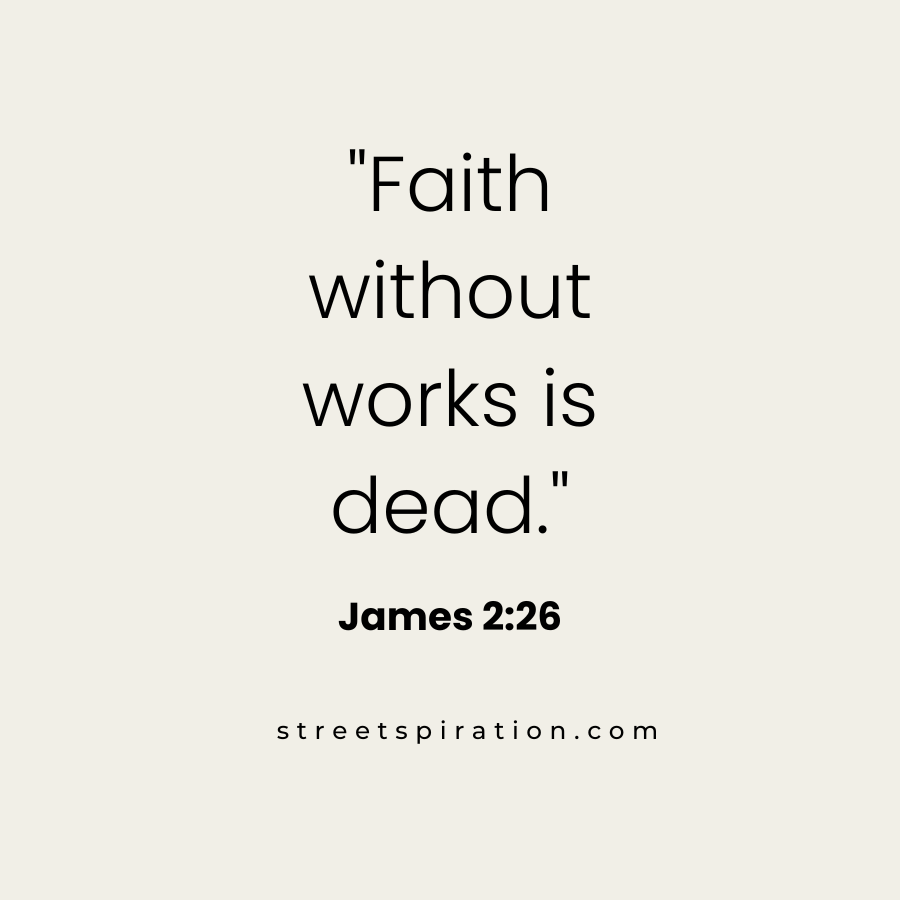
James 2:26 states clearly: “Faith without works is dead.”
This biblical wisdom applies directly to goal setting and personal growth. You can affirm all you want, but if you’re not taking daily action toward your goals, nothing changes.
Affirmations work, but only when paired with execution.
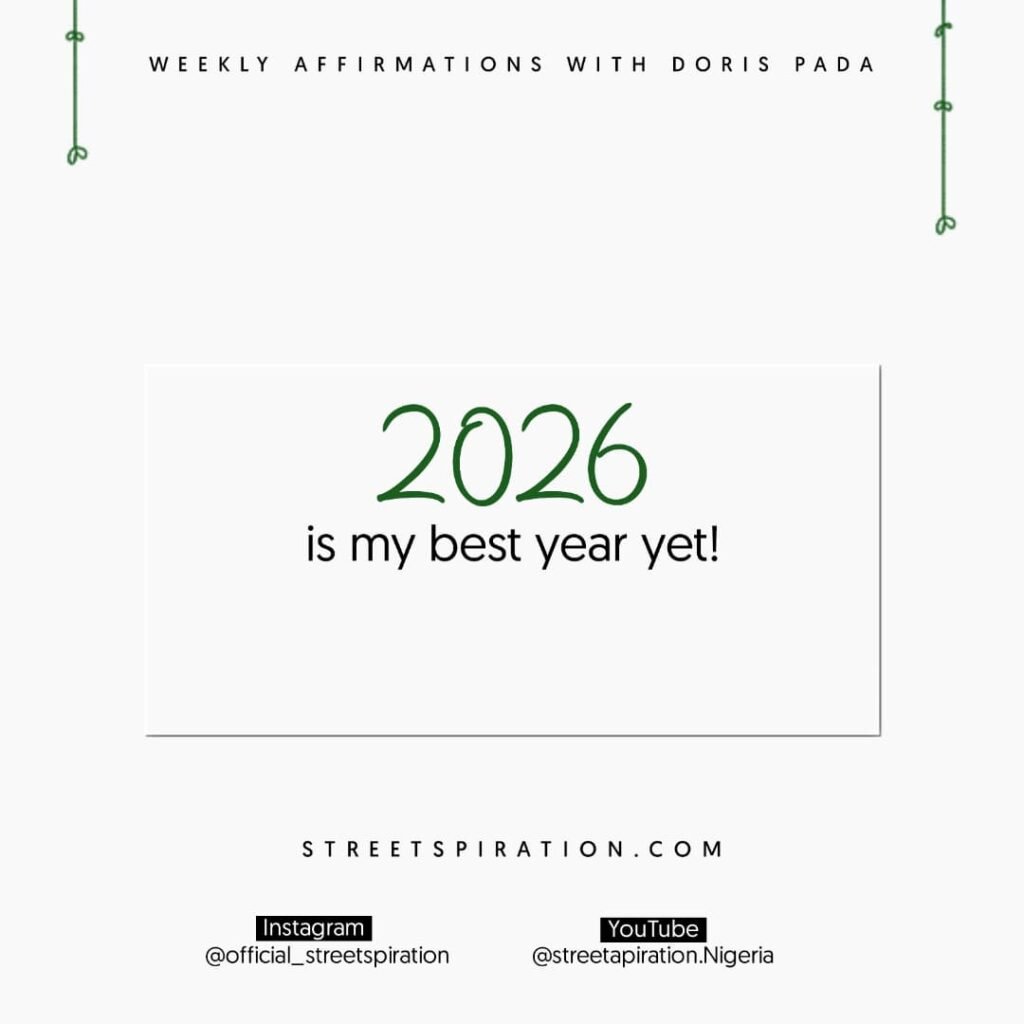
Saying “2026 is my best year yet” while scrolling social media for three hours a day won’t make it happen. Declaring it while building better habits, learning new skills, and showing up consistently? That changes everything.
The Two-Part Formula for Your Best Year
Part 1: Declare Your Intention (Faith)
Write down what you want 2026 to be. Be specific:
Ask yourself:
- How do I want to feel this year?
- What do I want to accomplish?
- Who do I want to become?
- What habits will support this version of me?
Write it down. Say it out loud. Make it real through a declaration.
This is your faith component, believing that this year can be different, better, and more aligned with who you want to be.
Also read: 3 Benefits of Self-Awareness
Part 2: Back It With Action (Works)
Now comes the part most people skip: turning intention into action.
Break your affirmation into quarterly milestones:
If your affirmation is “2026 is my healthiest year yet,” your milestones might look like:
- Q1: Establish a consistent workout routine (3x per week minimum)
- Q2: Improve nutrition (meal prep Sundays, reduce processed foods)
- Q3: Prioritize mental health (therapy, journaling, boundaries)
- Q4: Maintain and refine what’s working
Break milestones into monthly actions:
Using the same example:
- January: Research workout programs and join a gym or find home workouts
- February: Commit to 12 workouts this month (3 per week)
- March: Add one healthy habit (morning walk, water intake goal, etc.)
Break monthly actions into weekly tasks:
- Week 1: Schedule three workout sessions in your calendar
- Week 2: Complete all three workouts, track how you feel
- Week 3: Adjust routine based on what’s working
- Week 4: Maintain consistency, add one small challenge
This is how intention becomes reality. Not through hope, but through systematic, consistent action.
Why Most New Year Goals Fail
Most New Year’s resolutions fail because they’re built on motivation, not systems.
Motivation fades. Systems don’t.
Common mistakes:
- Setting too many goals at once (overwhelm guaranteed)
- Making goals too vague (“get healthy,” “make more money”)
- No accountability or tracking system
- Giving up after the first setback
What works instead:
- One clear affirmation with specific milestones
- Quarterly reviews to track progress and adjust
- Weekly actions you can measure
- Grace for setbacks (they will happen, plan for them)
Getting Back on Track When You Fall Off
Here’s the reality: you will have weeks where you don’t follow through. You’ll miss workouts. You’ll skip the important tasks. You’ll feel like you’re failing.
Also read: The Difference between Purpose & Destiny
That’s not failure. That’s being human.
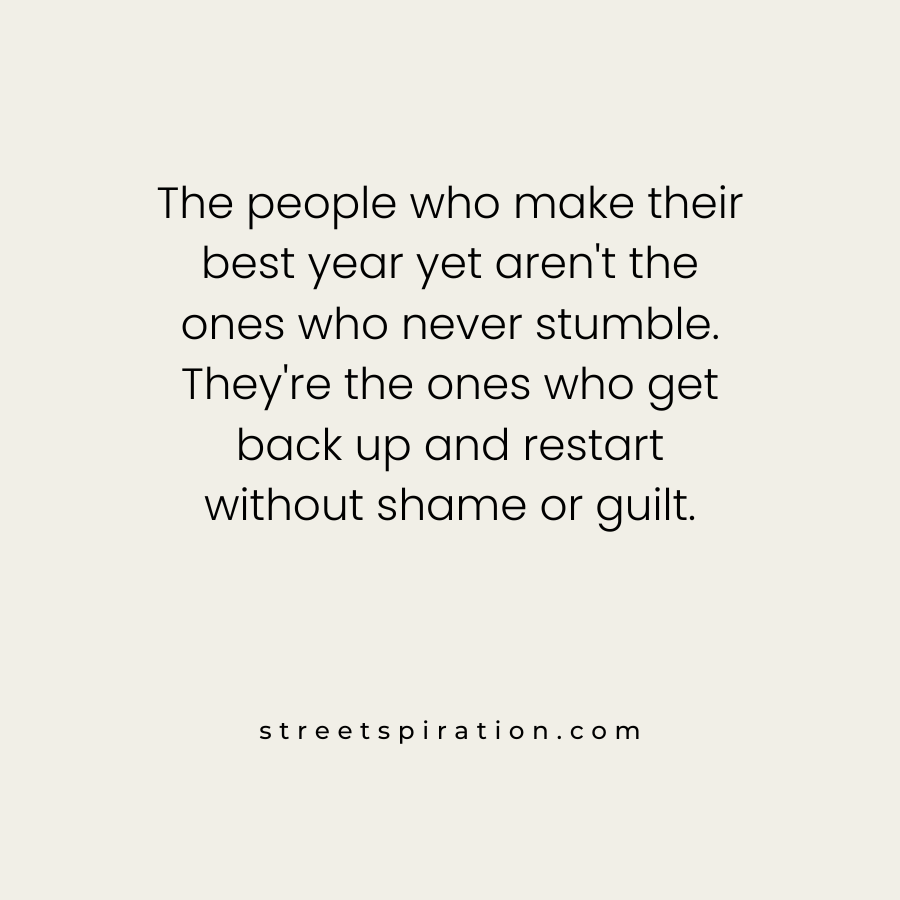
The people who make their best year yet aren’t the ones who never stumble. They’re the ones who get back up and restart without shame or guilt.
When you fall off track:
- Acknowledge it without judgment (“I didn’t follow through this week”)
- Identify what got in the way (burnout, poor planning, unexpected life event)
- Adjust your approach if needed (maybe 3x per week was too ambitious—start with 2x)
- Restart immediately (don’t wait for Monday, don’t wait for next month—start now)
Consistency isn’t perfection. It’s restarting over and over until the habit sticks.
Your First Action for 2026
Right now, before you close this article, do three things:
- Write your core affirmation for 2026
Make it clear, positive, and present tense. Write it somewhere you’ll see it daily.
- Identify your first quarterly milestone
What’s one meaningful thing you can accomplish by March 31st that supports your affirmation?
- Schedule your first action this week
Put one specific task in your calendar for this week that moves you toward your Q1 milestone.
That’s it. Three steps. Right now.
Also read: How to Do an End-of-Year Self-Assessment: 9 Questions
You Already Have What You Need
You don’t need perfect conditions to make 2026 your best year yet.
You don’t need more time, more money, or more motivation.
You need faith in your vision and commitment to daily action.
Declare your intention. Back it with work. Adjust when needed. Restart when you stumble.
That’s the formula. Simple, but not easy. And absolutely worth it.
2026 can be your best year yet, not because everything will be perfect, but because you’re choosing to show up for yourself consistently.
Now go make it happen.